In the UK, there are many regulations associated with construction waste disposal. Understanding these regulations is an important part of running a smooth construction business. It also ensures:
- Proper waste management
- Proper use of resources
- Cleaner and safer work environments
Construction debris accumulates very quickly, and it can cause chaos, lead to unnecessary costs, and result in environmental consequences. Streamlining waste is important because it helps take a step forward towards a sustainable working environment.
In this blog, we’ll be taking a look at how to dispose of waste properly. We’ll share some important tips from our waste collection specialists in Wandsworth to help you maintain a safe working environment at your construction site. From planning for proper and safe waste disposal to training workers on waste disposal methods, we’ll cover every important point that you must keep in mind when working on a construction site.
Tips for Waste Management in Construction Projects
Here are some useful tips for proper waste management in construction sites:
Proper Planning and Efficient Design for Waste Disposal
The construction industry thrives on smart planning and design. One aspect of it is waste disposal. Planning for waste disposal is as important as any other part of construction work. Just like when you have to plan your designs or your timeline for how long the construction is going to take, you need to plan how to efficiently reduce your construction waste whilst on site.
Here are some tips for you to follow:
- Try to implement designs that require fewer cuts and adjustments to materials, which helps to reduce off-cuts and any material scraps.
- Use modular construction techniques
Source Materials from Trusted Dealers
Having a “trusted” dealer means quality materials and less wastage. For this you need to properly screen and vet experienced dealers for construction materials. You are going to need a full plan for every step of the way.
Identify the Different Types of Waste
Once you have a trusted provider for all your construction materials, it’s time to move on to identifying the different types of waste on your site. Construction waste typically falls into several categories, each of which requires a separate handling procedure or dumping process. These categories typically include:
Concrete and Masonry Waste
These are heavy-weight waste materials produced from demolitions, renovations, or new constructions. Some examples include:
- Leftover ready-mix concrete
- Formwork debris
- Concrete chunks and rubble
- Concrete core drippings and slurry
- Damaged or old concrete
- Broken or chipped bricks
- Brickbats and trimmings
- Cinder block (CMU) scrap
- Spent mortar
- Scraps of stones
- Tile and ceramic scrap
- Reinforced concrete debris
- Stucco and plaster waste
Wood and Timber Waste
Unlike concrete waste, wood and timber waste can be recycled. Some examples of wood and timber waste include the following:
- Plywood sheets and timber boards
- Scaffolding boards such as damaged, split, or weathered timber planks
- Dimensional lumber offcuts
- Excess timber cut from engineered wood products.
- Damaged materials such as warped, twisted, or split lumber
- Scraps of sheet materials
- Trims and mouldings
- Broken or non-returnable wooden pallets
- Crating and skids, for example, heavy timber crates and framing
- Salvaged framing like old studs, joists, and rafters
- Old wooden doors, window frames, cabinets, and shelving
Metal Wastes
This includes scrap metal from structural elements or fixtures. Metal recycling is highly effective and environmentally friendly. Common examples include:
- Steel rebar and mesh
- Steel beams and girders such as I-beams, channel iron, and angle iron offcuts
- Used or worn-out cast iron pipes and radiators
- Steel studs and framing
- Copper wiring and tubing
- Leftover aluminium extrusions and siding
- Trimmings and old lead sheets
- Old brass and bronze fittings
- Offcuts, handrails, or flexible gas or furnace lines
Drywalls
Walls are frequently damaged during construction. It is a leading cause of waste generated from construction sites. The most common wastes include:
- Old cut-off strips
- Old cut-outs
- Mouldy drywall
- Joint compound and mud waste
- Used mesh and paper tape scraps
- Old wallboards, paint, wallpaper, or texture sprays
- Broken walls containing nails, screws, framing clips, or old adhesive
- Old drywall systems or associated joint compounds
Hazardous Waste
Hazardous construction waste must be disposed of properly to avoid environmental consequences. Here are some examples:
- Asbestos-containing materials from old thermal pipe insulation, fireproofing spray and vinyl floor tiles
- Lead-based paint and coatings
- Mercury-containing equipment from discarded fluorescent light tubes, high-intensity discharge (HID) lamps and so on
- Leftover paints, stains and varnishes
- Used solvents and thinners
- Old adhesives, sealants and resins
- Fuel and petroleum byproducts
- Concrete etching acids (such as muriatic/hydrochloric acid)
- Lead-acid batteries
- Severe mould infestation on structural elements and animal droppings
Read the operator responsibilities for handling each of these types of wastes in the UK to ensure their proper disposal.
Making Efficient Disposal Strategies
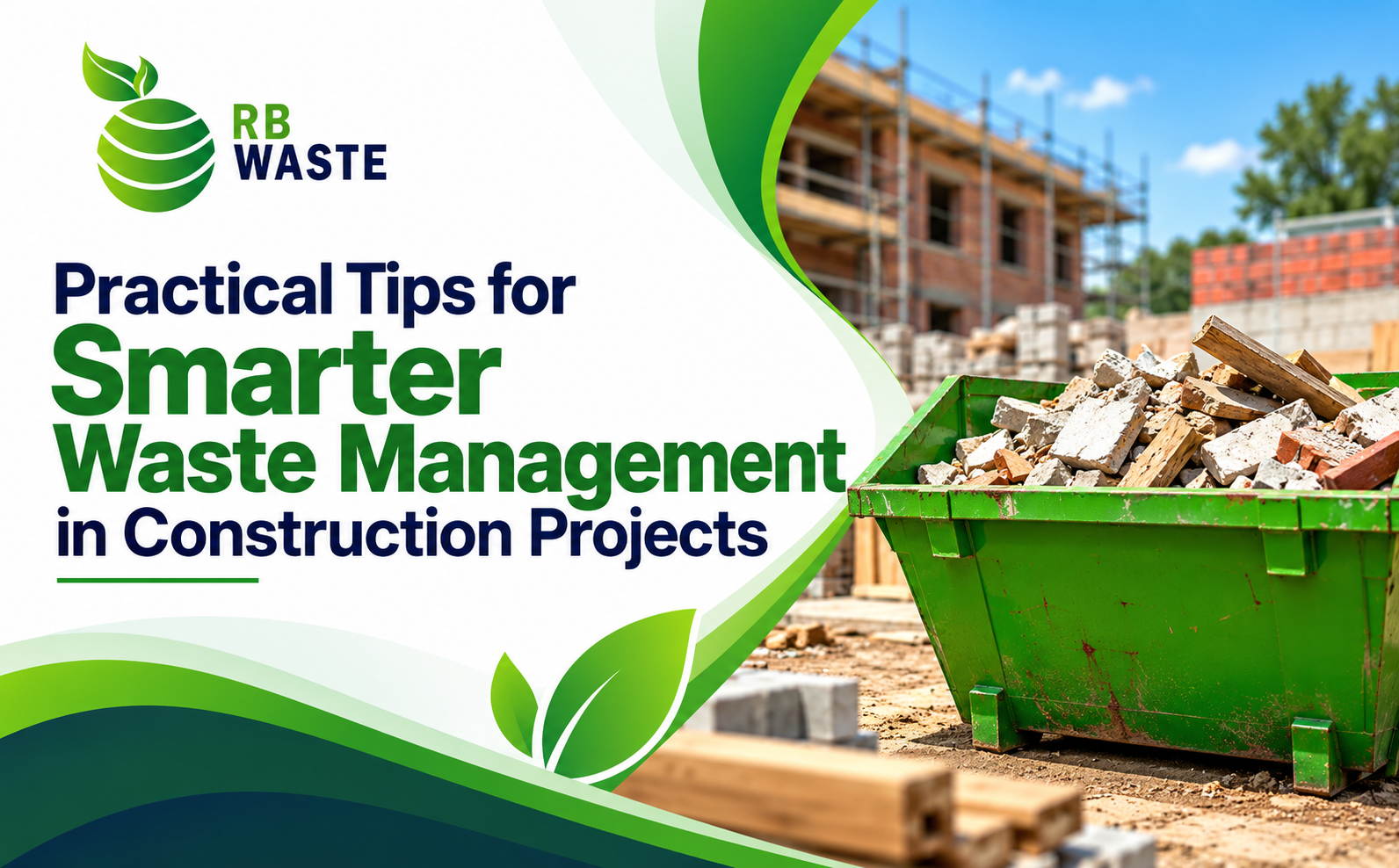
Adopting efficient disposal strategies becomes crucial once you’ve identified the waste types. One effective method is to arrange for a waste collection service that fits the scale of your project. For this you can consider the following options:
- Roll-Off Containers: Well suited to large projects, these containers give debris a set place to go and keep the job site organised and easy to move around.
- On-Site Sorting: Setting up a system to separate waste materials at the source makes recycling easier and cuts the amount of waste sent to landfill. It also gets workers into the habit of taking responsibility for what they throw away.
- Regular Pickups: Booking waste collections throughout the project keeps the site clear and safer to work on. Debris can’t pile up and become a hazard if it is removed on time.
Incorporate Sustainability in Waste Management
As a contractor or subcontractor, you have an obligation to make sustainable waste management choices wherever possible to maintain a safe and healthy environment. Here are some sustainable practices to consider:
- Recycling and Reusing Materials: Recycle and reuse as much construction material as possible. Some common examples include metals and wood waste.
- Using Sustainable and Eco-friendly Products: Opt for materials that are easier to recycle or have a lower environmental impact. Products made from reclaimed or sustainable resources can enhance the project’s sustainability.
- Donate Reusable Waste: Donate usable items such as old furniture, fixtures, or appliances to local charities to help others while reducing your waste footprint. This practice also fosters goodwill within the community.
To Sum Up
Good waste management on a building site begins with a plan. Sort waste by type, keep hazardous materials apart from everything else, and book waste collection services that suit the pace of the job. Recycling metal, wood, and rubble where you can brings costs down and makes the site safer to work on. If you need waste collection in Wandsworth, a licensed local team can do the heavy lifting while your crew focuses on the job.
Need Dependable Waste Collection in Wandsworth?
When it comes to construction projects, rubbish builds up faster than most schedules allow for. RB Waste offers responsible waste collection in Wandsworth to builders, subcontractors, tradespeople, and property owners. Our two-person crew loads everything up and dumps construction waste responsibly, adhering to UK regulations and guidelines.
We have more than 20 years of experience, can often collect on the same day, and recycle or reuse up to 95% of what we take away. Contact us today for a free, no obligation quote.
FAQs
1. How quickly can you collect construction waste in Wandsworth?
A: We can collect on the same day or the next, depending on the volume of waste and our availability. Getting in touch early in the day gives you the best chance of a same-day slot.
2. Can you take mixed construction waste?
A: Yes, we take mixed loads of rubble, wood, metal, and general site debris. Our team can sort the waste before sending it for recycling.
3. Do you remove hazardous waste like asbestos?
A: We do provide asbestos removal and disposal in London. Other hazardous materials, such as solvents, paints, and lead-based coatings, should be kept separate. Mention them when you book so we can handle them correctly.
4. How is the price for waste collection worked out?
A: The price depends on how much waste there is, what it is made of, and how easy it is to reach. Heavy materials like rubble cost more to move and dispose of. Our quotes start from around £60.
5. Is the waste recycled?
A: Up to 95% of what we collect is recycled or reused, including metal, wood, and many bulky items. Only waste that cannot be recovered goes for disposal.